Real-Time Grievance Protocols in Overseas Live Dealer Casinos Offering Phone Billing to Excluded UK Players
Written by Rafael Perry · Aug 20, 2026
Real-Time Grievance Protocols in Overseas Live Dealer Casinos Offering Phone Billing to Excluded UK Players
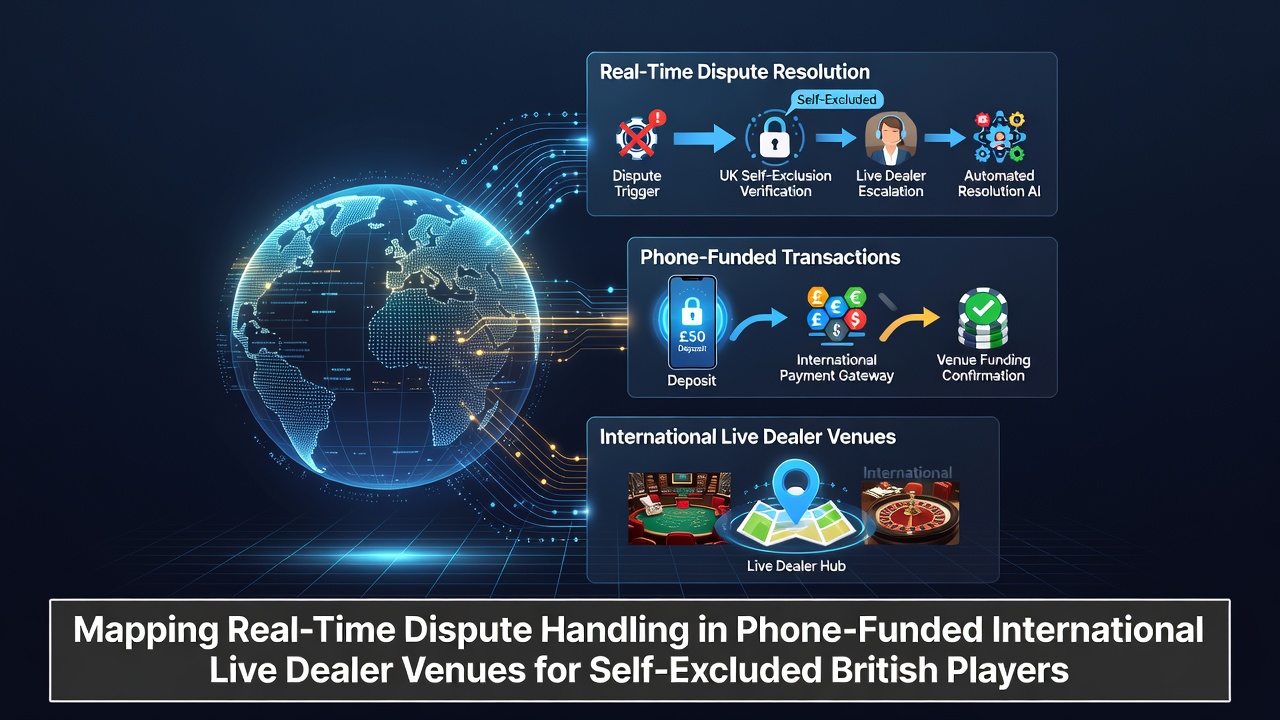
International live dealer platforms that accept phone billing have developed structured approaches to managing disputes involving self-excluded British participants, and these systems operate across multiple time zones while relying on automated monitoring combined with human oversight. Operators in jurisdictions such as Curacao and Anjouan maintain dedicated resolution teams that track session data from live table interactions funded through mobile carriers, allowing issues to surface within seconds of a reported problem.
Core Components of Phone-Funded Dispute Systems
Phone billing integrates directly with casino back-end software so that transaction logs, chat transcripts, and game outcomes remain synchronized in a single database, which means support staff can retrieve complete records without requesting additional player input. Researchers at the University of Nevada Las Vegas have documented how these unified logs reduce average resolution times by linking payment confirmation from carriers like EE and Vodafone to specific roulette or blackjack rounds. When a player raises a concern about a hand result or payout amount, the system flags the entry immediately and routes it to a live moderator who reviews the video feed from the dealer studio.
Integration with Self-Exclusion Databases
Self-excluded British players who access these venues often use separate accounts that still interface with global exclusion lists maintained by third-party services, and real-time handling requires operators to cross-check incoming traffic against these lists before processing any dispute. Data from the Responsible Gambling Council of Canada shows that platforms performing hourly verification scans experience fewer repeated claims from restricted users, while platforms without such scans report higher volumes of escalated cases. Moderators therefore confirm exclusion status at the moment a ticket arrives, which prevents further play and directs the case toward closure rather than continued engagement.
Step-by-Step Resolution Workflow
The process begins when a player submits a query through in-game chat or a dedicated mobile ticket system, after which an automated response acknowledges receipt within fifteen seconds and assigns a unique reference number. Human agents then examine the associated phone transaction record, the live stream timestamp, and any bonus terms that applied to the session. If the issue involves a technical glitch such as a frozen video feed or an incorrect bet registration, the team can replay the round from the dealer’s perspective and issue an adjustment or refund based on predefined criteria. Observers note that cases involving disputed card shuffles or wheel outcomes receive priority because they affect table integrity across multiple participants simultaneously.
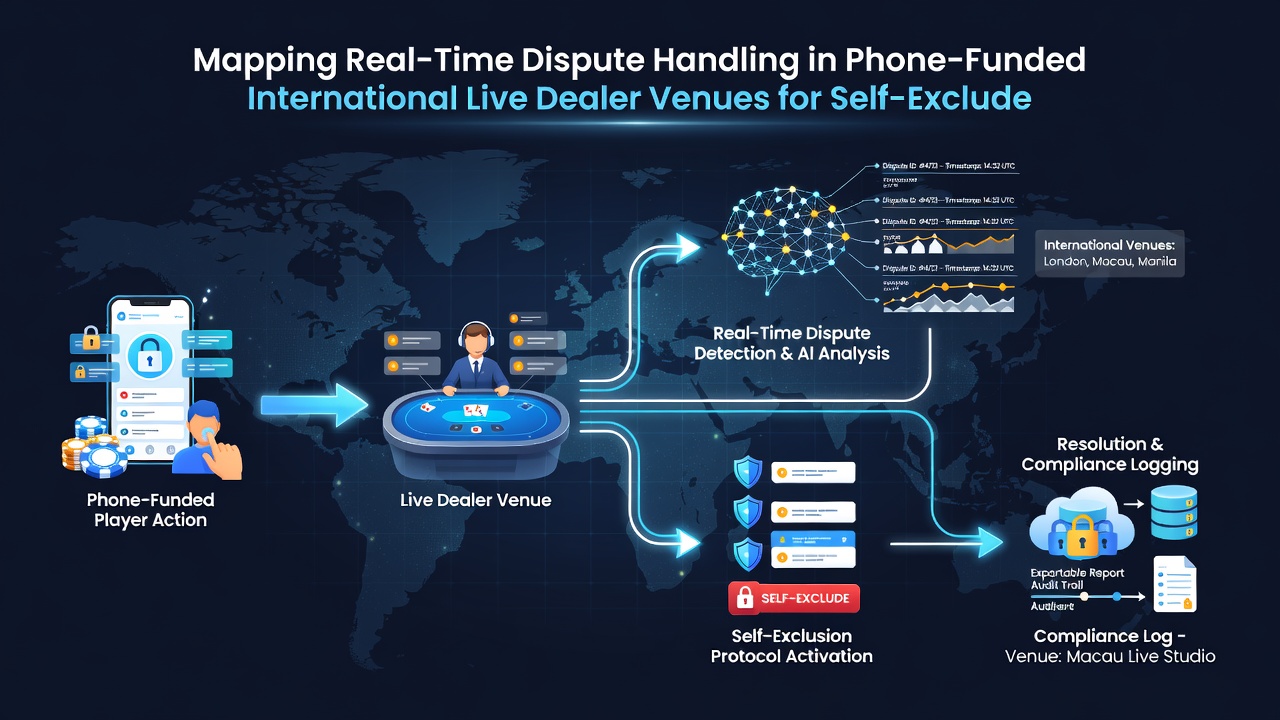
Escalation occurs only when initial review fails to satisfy the claim, at which point senior compliance officers examine carrier logs for billing accuracy and consult legal teams in the operator’s licensing jurisdiction. As of August 2026 several platforms introduced mandatory video verification steps for all escalated disputes, requiring agents to record their review process for internal audits. This addition stems from industry reports compiled by the National Council on Problem Gambling that highlighted inconsistencies in earlier manual reviews.
Challenges in Cross-Border Coordination
Time zone differences between UK-based players and studios located in Eastern Europe or Southeast Asia create windows where live support must hand off active cases to regional teams, yet the underlying data remains accessible through cloud-based platforms. Phone-funded transactions add another layer because carrier confirmation can take up to two minutes during peak hours, delaying the start of any resolution clock. Those who have examined these workflows report that successful platforms maintain overlapping shift coverage and pre-written templates for common billing discrepancies, which keeps the process moving even when one region experiences connectivity issues.
Conclusion
Real-time dispute handling in phone-funded international live dealer venues continues to evolve through synchronized data systems, exclusion list integration, and documented review protocols that apply uniformly to self-excluded British players. These mechanisms rely on carrier records, video archives, and tiered agent responses to address claims without unnecessary delays while respecting licensing requirements in multiple jurisdictions.