Licensing Structures Determining Mobile Funding Choices and Live Dealer Availability at Platforms Favored by Self-Excluded UK Participants
Written by Harper Simmons · Aug 24, 2026
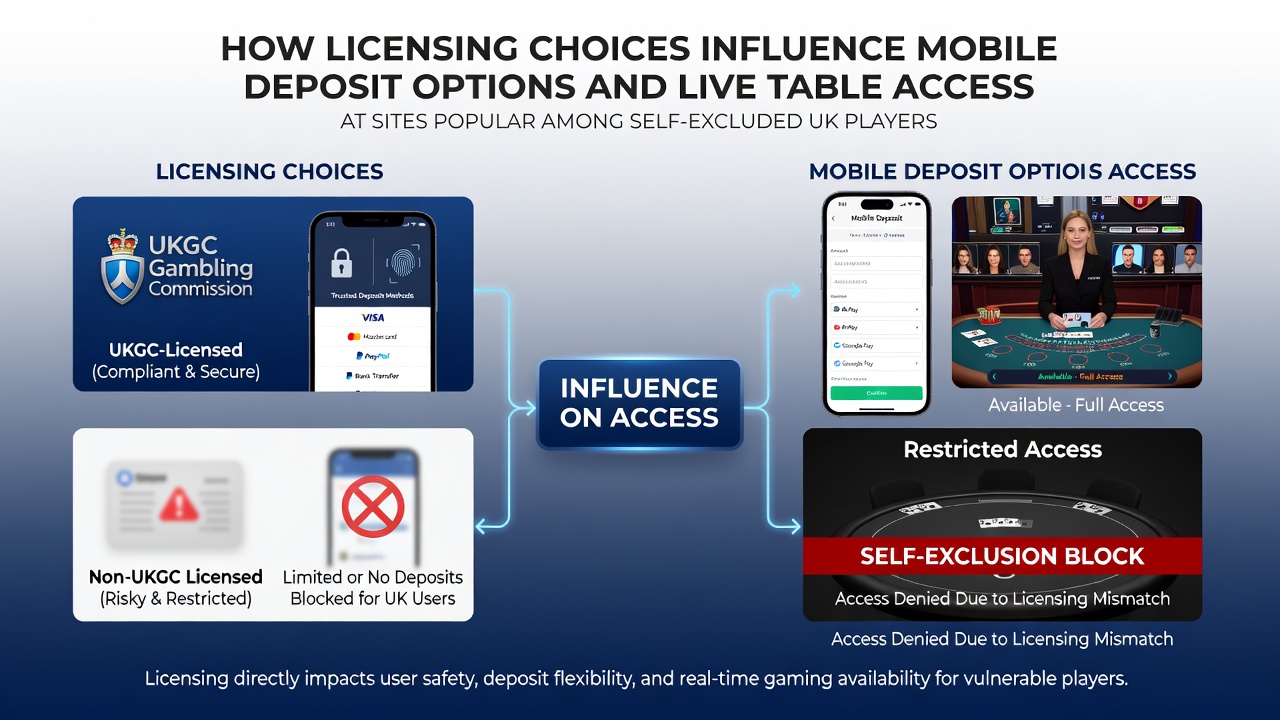
Licensing Structures Determining Mobile Funding Choices and Live Dealer Availability at Platforms Favored by Self-Excluded UK Participants
Regulatory frameworks in offshore jurisdictions shape the range of mobile deposit methods and live dealer tables that appear on platforms frequently accessed by self-excluded UK participants, with each licensing regime imposing distinct requirements on payment processors and game suppliers. Jurisdictions such as Curacao and Anjouan maintain lighter operational rules compared with stricter European authorities, allowing operators to integrate SMS-based billing and phone credit transfers more readily while also hosting live dealer studios from multiple providers.
Payment Integration Patterns Across Licensing Zones
Operators holding Curacao licenses often partner with telecom companies to enable direct phone bill deposits, because those licenses do not mandate the same verification layers required in more restrictive markets, and this setup lets players fund accounts instantly without traditional banking rails. In contrast, platforms under Anjouan authority have expanded similar SMS options in recent licensing cycles, with data showing increased adoption rates during the first half of 2026. Observers note that these choices stem directly from the absence of heavy restrictions on alternative payment channels, which in turn supports faster transaction flows for users who have already placed themselves on exclusion lists.
Studies from the Alcohol and Gaming Commission of Ontario indicate that licensing conditions influence how quickly new payment technologies reach the market, and the same dynamic appears in sites serving UK players who seek alternatives after self-exclusion. When a jurisdiction permits broader partnerships with mobile carriers, the result includes higher availability of phone-funded play sessions alongside standard card and e-wallet routes.
Live Dealer Access and Studio Partnerships
Live table offerings depend on the game providers that a license permits operators to connect with, and Curacao-licensed sites commonly feature multiple live dealer brands because their rules allow flexible supplier agreements. This flexibility produces wider selection of roulette, blackjack and baccarat tables with varying betting limits, whereas more regulated licenses sometimes limit the number of concurrent live streams or require additional compliance checks before new studios go live. In August 2026 several platforms updated their live sections after receiving fresh supplier approvals, demonstrating how licensing timelines directly control the pace of new table introductions.
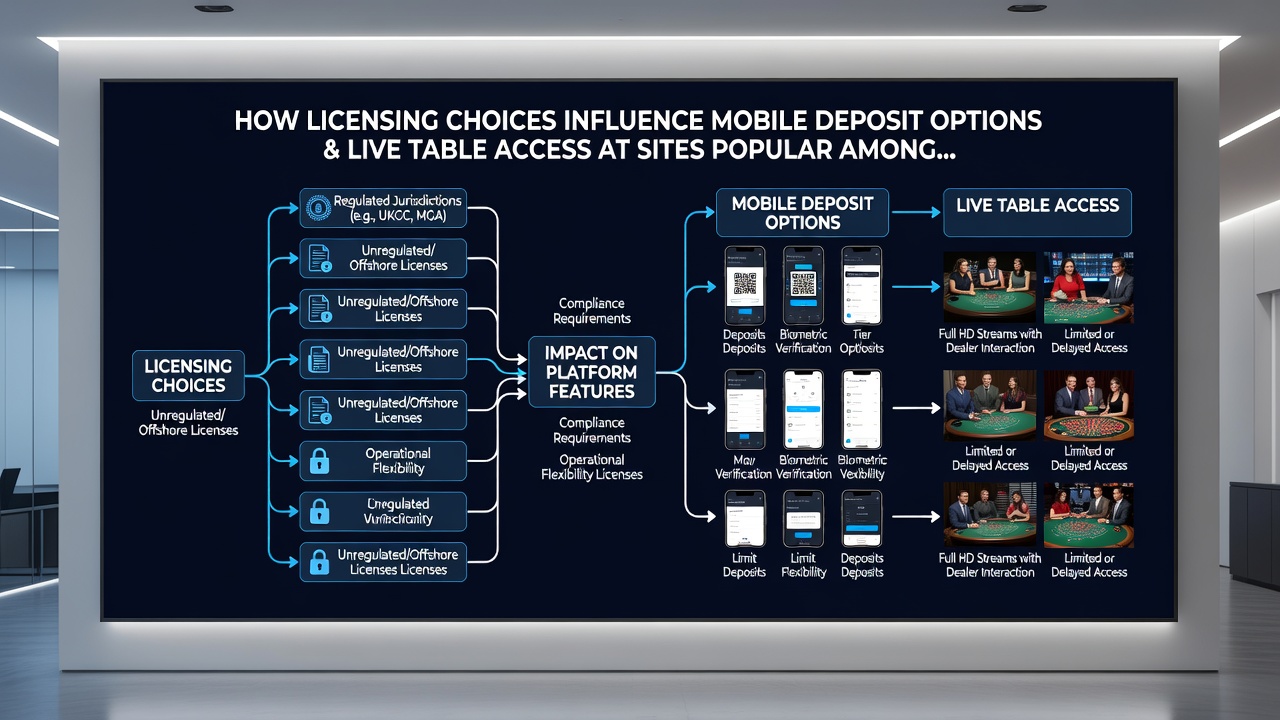
Research published by the University of Nevada Reno’s International Gaming Institute highlights that jurisdictions with streamlined approval processes for live game content see quicker rollout of high-definition streams and multi-camera setups, and those patterns carry over to sites popular among self-excluded UK participants who prefer continuous live action. Licensing therefore acts as the gatekeeper that determines whether a platform can maintain 24-hour live tables or must rotate limited studio feeds.
Combined Effects on User Experience
When operators combine permissive licensing for payments with open supplier rules for live games, the resulting sites deliver simultaneous access to phone bill deposits and extensive live dealer lobbies, creating environments where players can switch between funding methods and table types without leaving the platform. Data compiled by the European Gaming and Betting Association shows measurable differences in feature sets across license types, confirming that the regulatory origin of each site correlates with the breadth of mobile and live options presented to users. Self-excluded UK participants encounter these differences when comparing platforms, because licensing choices determine which tools remain available after domestic restrictions take effect.
Conclusion
Licensing decisions continue to steer both mobile deposit capabilities and live table inventories at platforms serving self-excluded UK players, with each jurisdiction’s rules producing distinct combinations of payment speed and game variety. Continued monitoring of regulatory updates will reveal further shifts in how these features evolve through the remainder of 2026 and beyond.